A collection of rare vintage or thoughtfully made reissues of the best ARP Synthesizers ever made, available for immediate use for rehearsals, recording and workshops.
Since 2021 the Alan R. Pearlman Foundation (ARPF) announced ARPs for All, a new program to bring the magic and inspiration of rare vintage ARP synthesizers to EVERYONE in the music-making public.
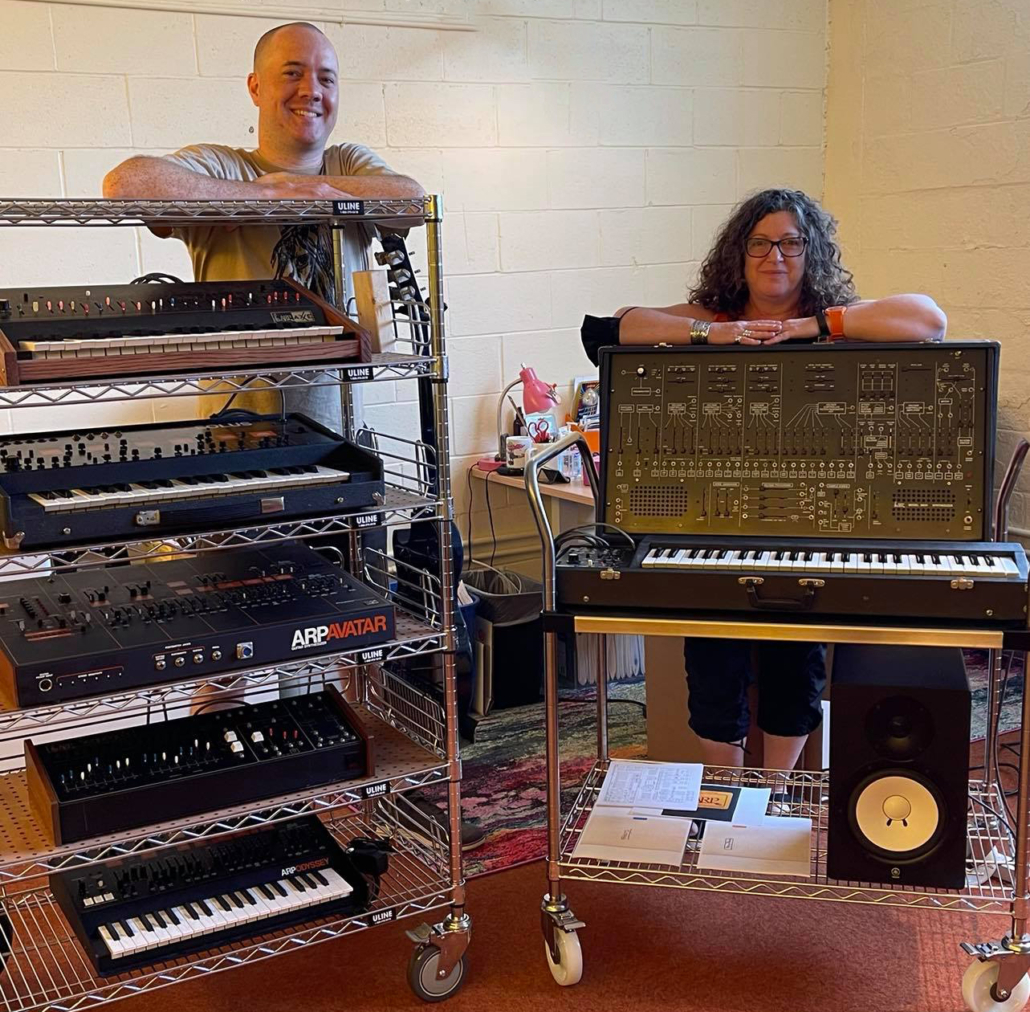
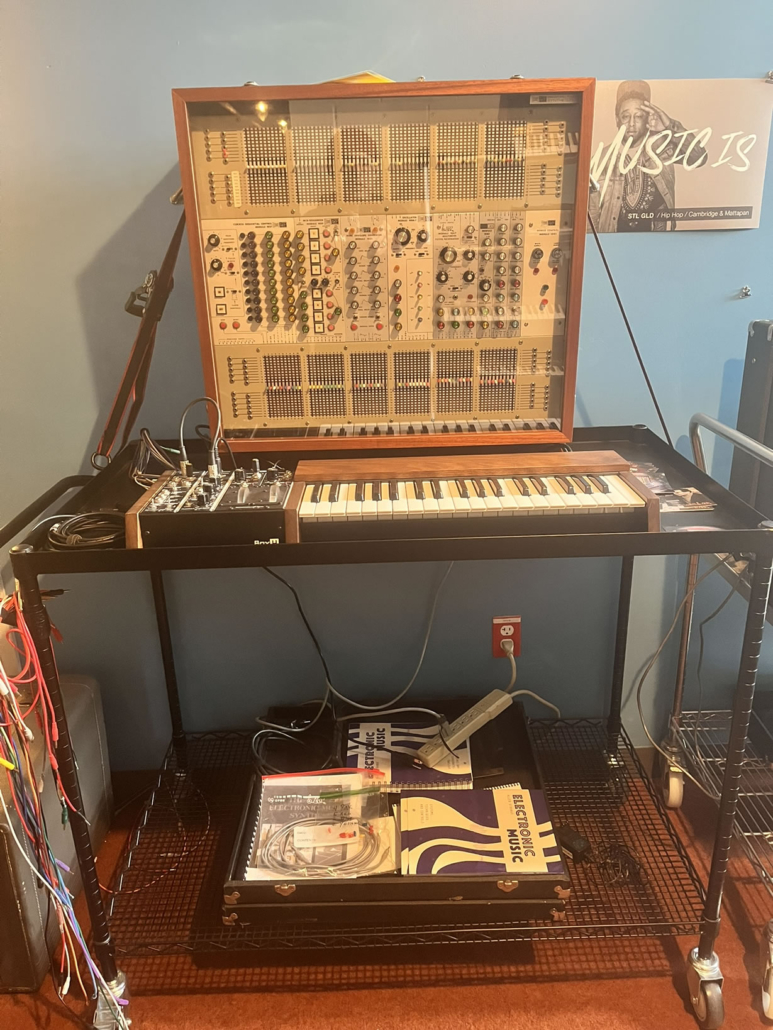
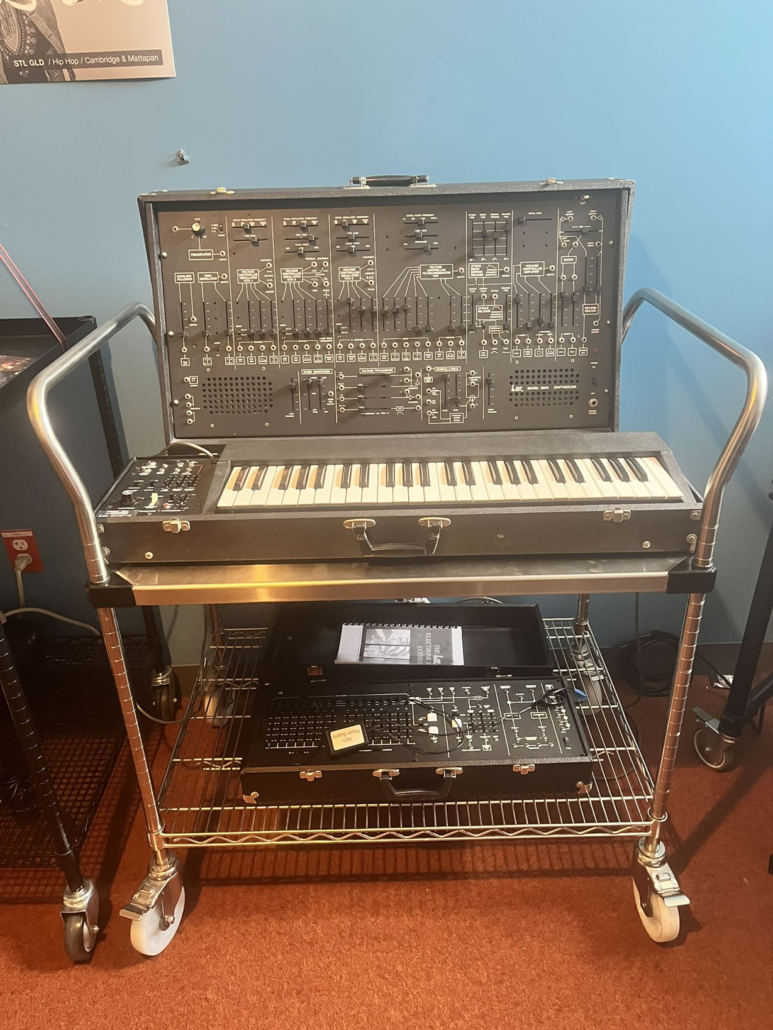
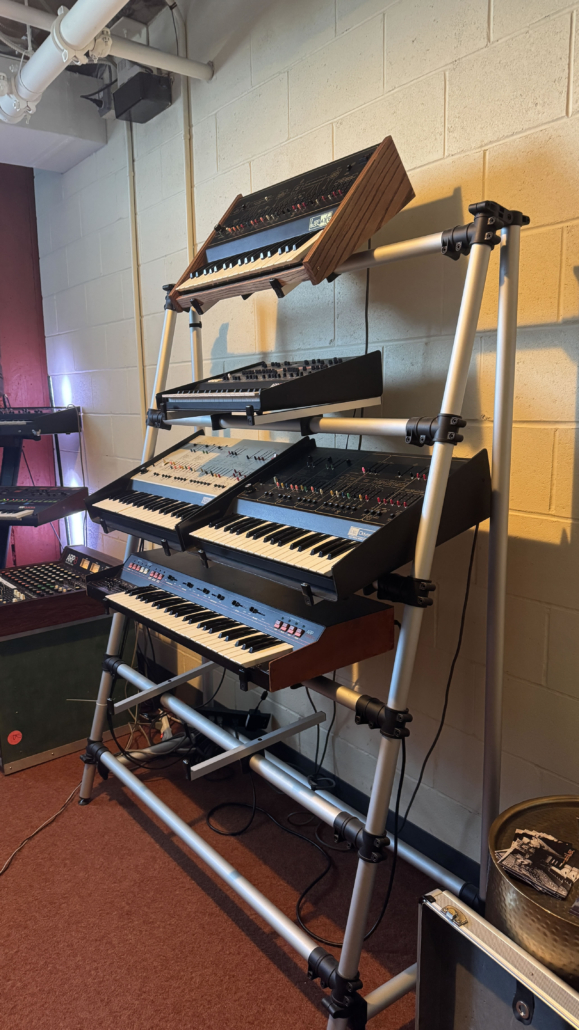
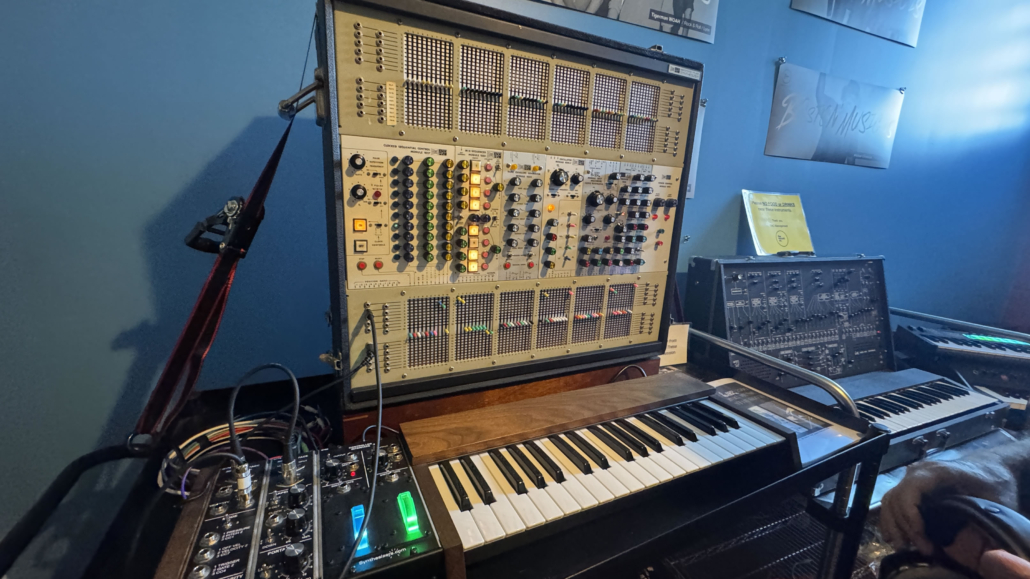
In partnership with The Record Co. (TRC), he Alan R. Pearlman Foundation (ARPf) launched ARPs for All with an initial collection of 5 instruments (the ARP Avatar, Axxe, Odyssey, and a vintage ARP 2600 with ARP Sequencer) available for hands on use, learning, and experimentation at TRC’s community recording and rehearsal facility in Boston. Over the years, these were joined by an ARP Omni, Quadra, several more Odysseys, a Solus, an Antonus 2600 and the creme de la creme of synths a rare ARP 2500!
This evolving, living collection of instruments fosters deeper community engagement through experiential educational programming for the public as well as music synthesis-focused residencies for emerging artists.
Join us and make ARP’s incredible legacy of musical (and electrical!) ingenuity accessible to future generations of makers. In other words: ARPs for All!
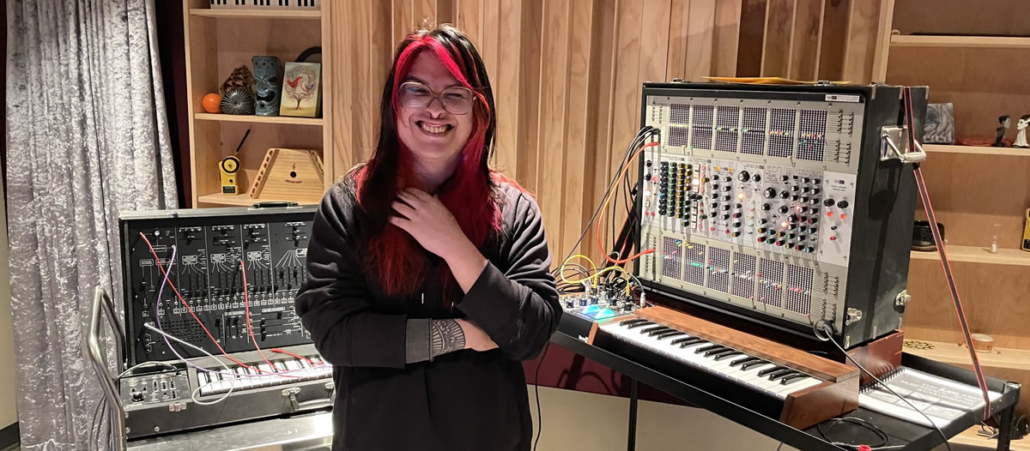
Short answer: book a rehearsal or recording session at TRC on or after July 1, 2021. While reserving, check the box that says “I’m interested in using ARP instruments during my session” and we’ll get in touchto work out details. There’s no extra cost to access the collection, just TRC’s super low room rates, starting at $10/hr.
Long answer: ARPF and TRC will be working together in the coming year to make the instruments even more accessible through free and low cost workshops and trainings, demos and networking events, and “open studios” — designated times when you can visit TRC and explore the ARPs for All collection at no cost, without a TRC reservation. These opportunities to engage with the instruments will be in addition to the artist residencies we expect to launch in 2022.
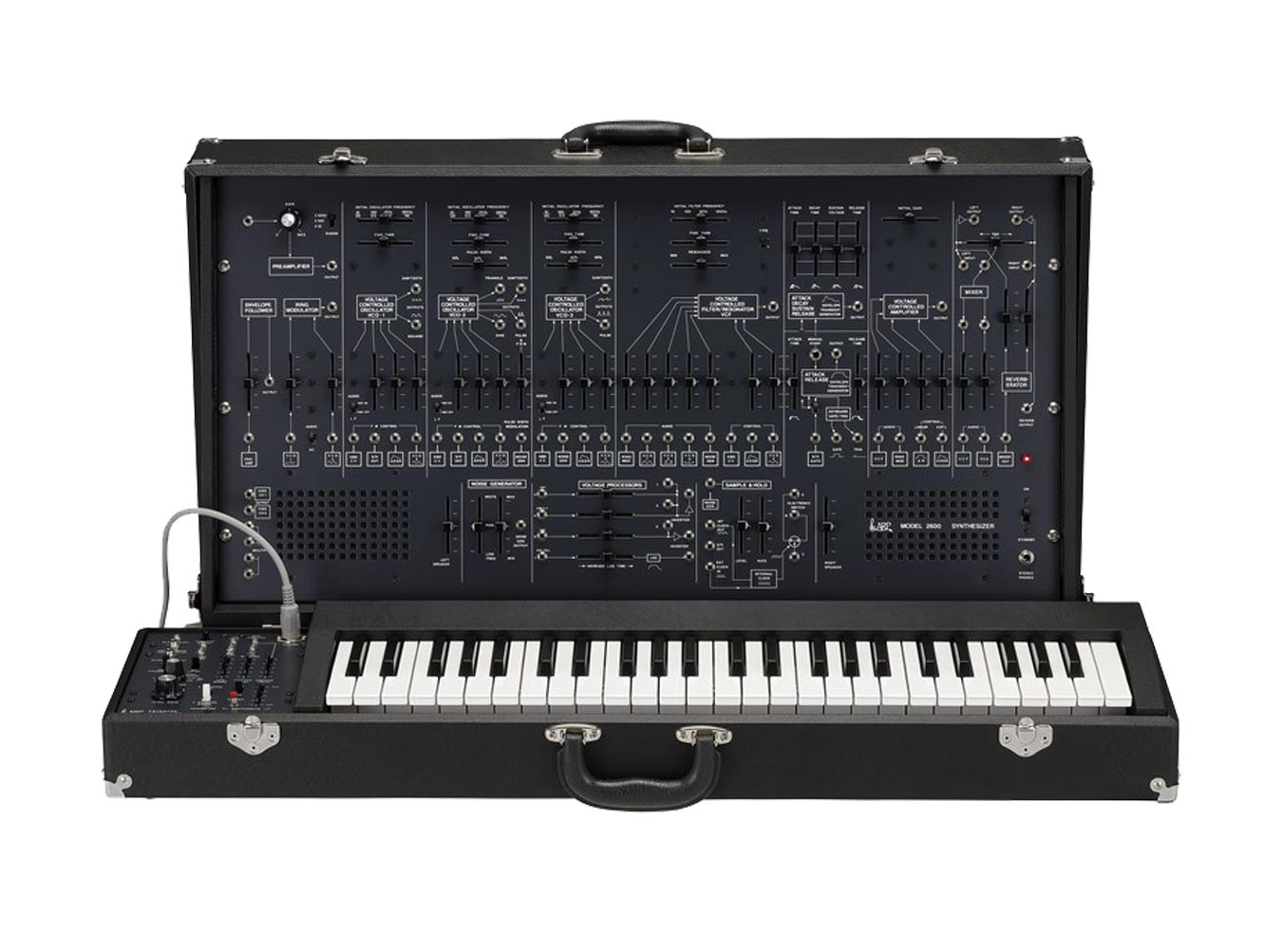
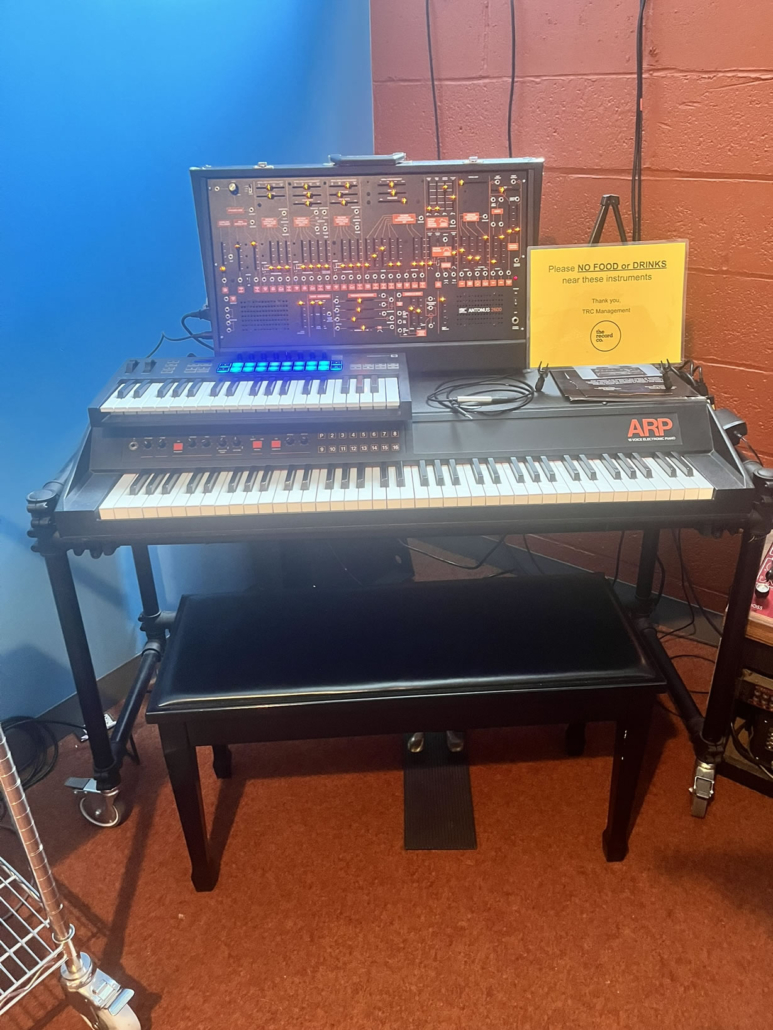
The ARP2600 is a semi-modular instrument featuring 3 oscillators, a beefy voltage-controlled low-pass filter, amplifier, 2 envelope generators, an LFO, noise generator, ring modulator, reverb tank, and a variety of voltage processors. This instrument debuted the concept of pre-wired connections for the most musically useful features, that could also be overridden by inserting patch cords, thereby simplifying the use of the instrument in performance.
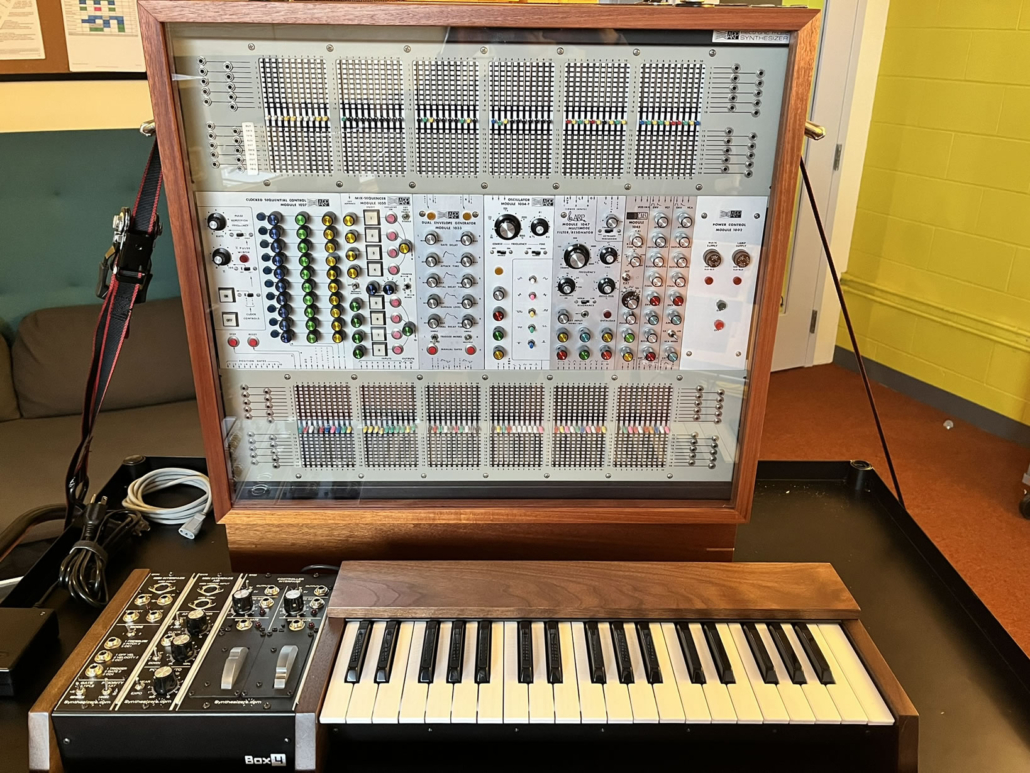
The 2500 is a seminal, rare analog modular synthesizer manufactured by ARP Instruments between 1970 and 1981, known for its iconic role in Close Encounters of the Third Kind. Designed by Alan Pearlman, it featured distinctive matrix switches instead of patch cables, stable oscillators, and 1000-series modules.
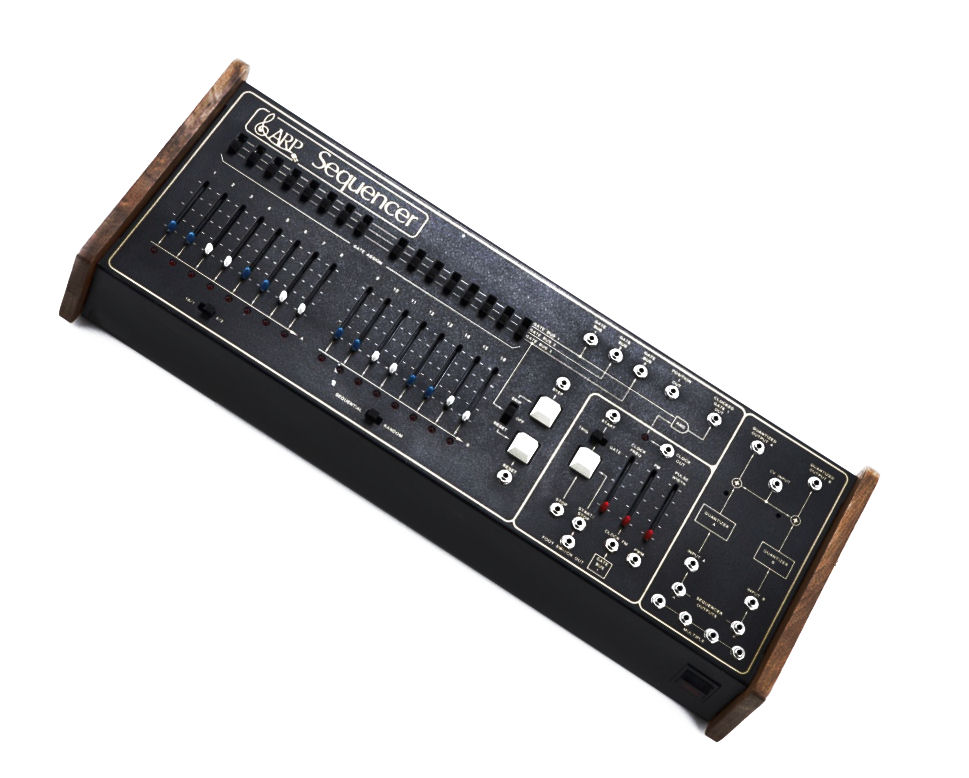
The ARP Sequencer is unique in its field, reflecting the C/V environment in which it existed. It has 16 steps that can have their tempo and output frequency manipulated by hand, giving it an identifiable groove that is part of its character. Its C/V capabilities meant that it was able to interact with a variety of different machines, even those not belonging to the ARP brand.
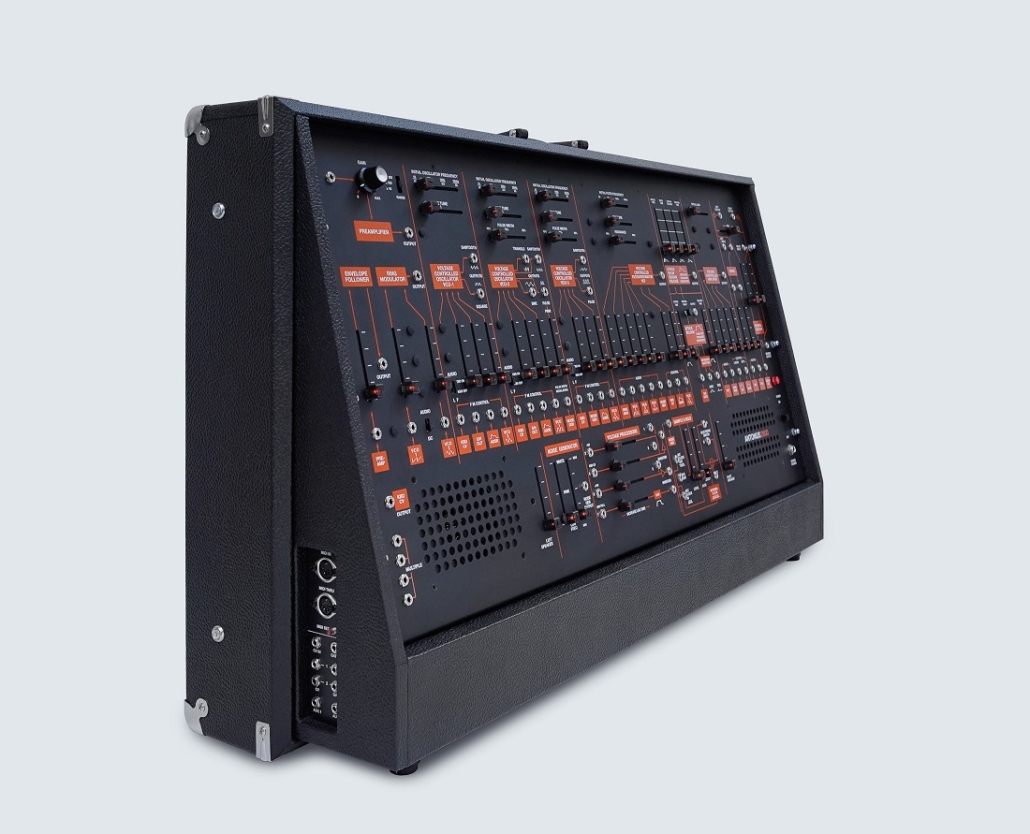
The Antonus 2600 is a faithful recreation of ARP’s renowned synthesizer, fitted with some quality-of-life improvements to make it more interactive with modern studio setups. The Antonus 2600 is built by hand in Spain using similar components to the original synth, and has been in production from 2015, in an effort to recreate the 2600 experience while allowing for maintenance to be more manageable.
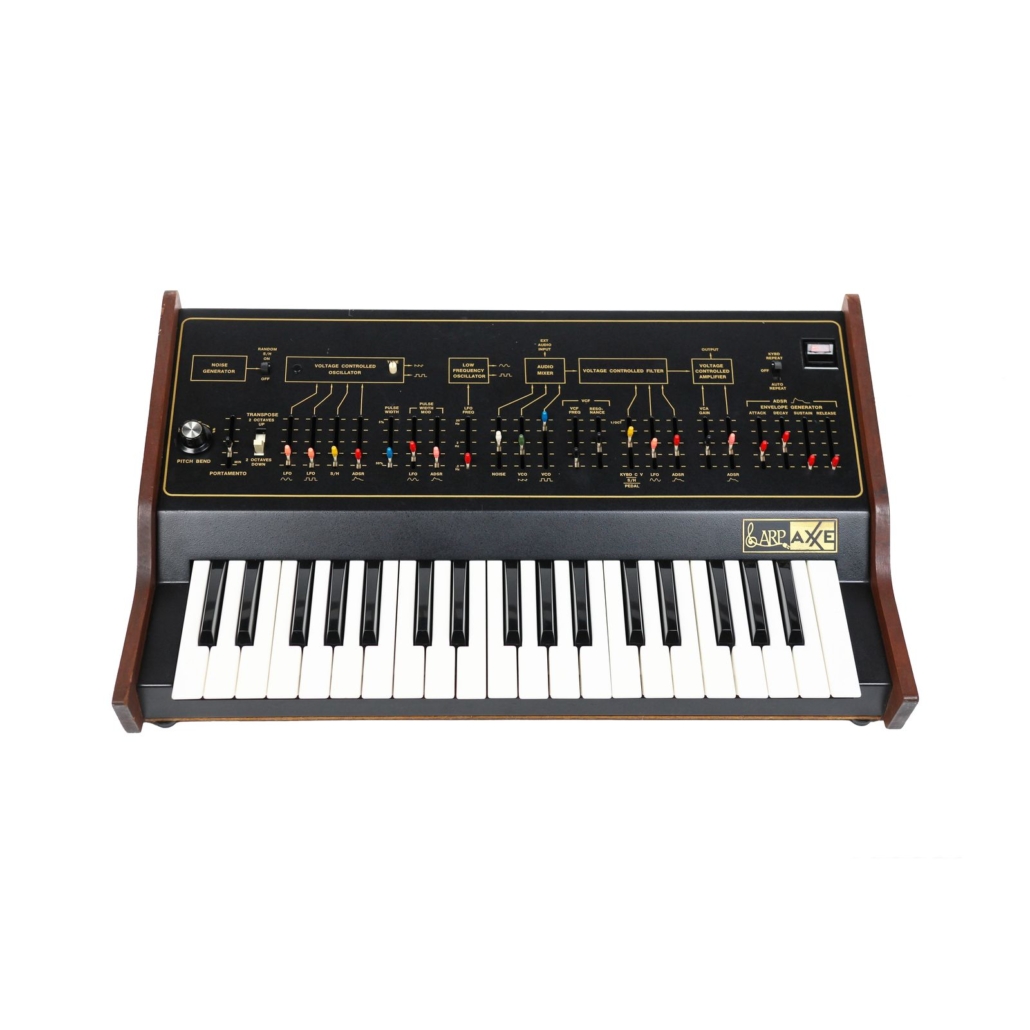
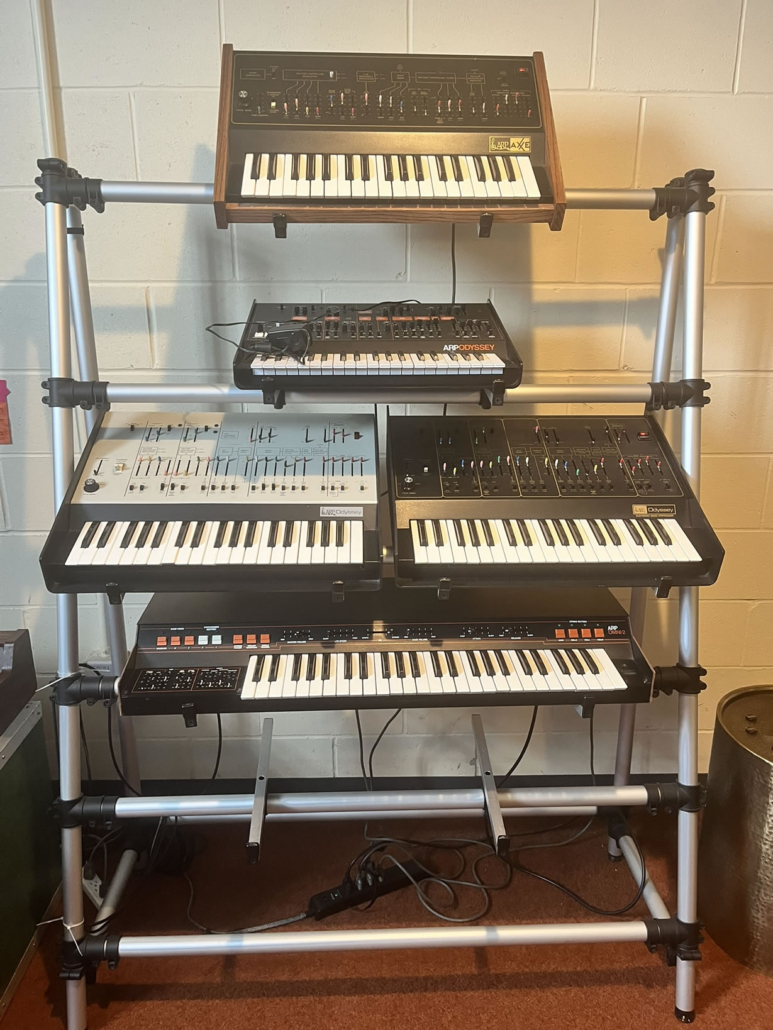
Initially built as a budget-friendly alternative, the ARP Axxe is a more compact version of the Odyssey. It only offers one oscillator in contrast to the Odyssey’s two, leading to a thinner sound and less timbral possibility, but its ease of use has given it the reputation of a good beginner synth and an efficient lead and bass line machine.
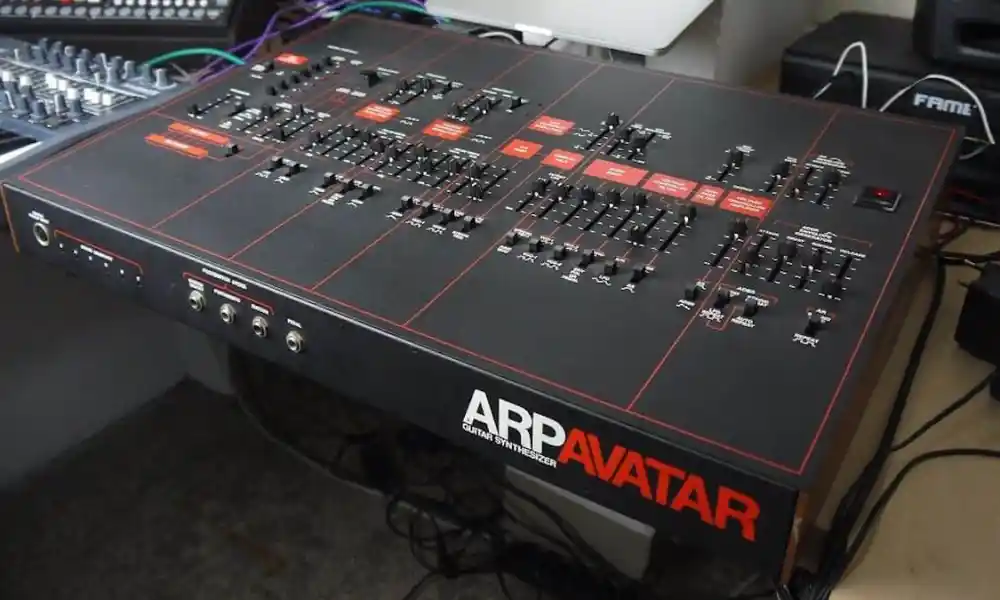
This unique item in ARP’s history was specifically designed for use with electric guitar. It swaps out the traditional keyboard for the guitar’s expressiveness, allowing guitarists to play with the warmer tones of analog synthesis. It can also be controlled using a control voltage or gate voltage.
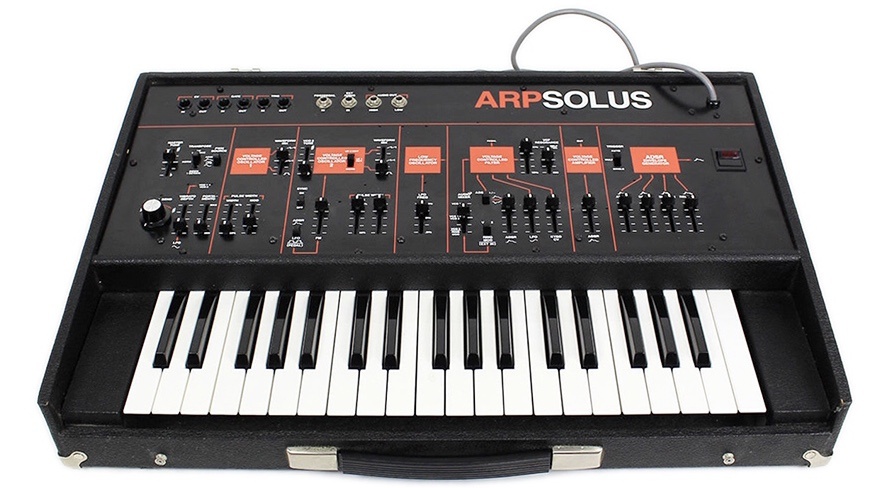
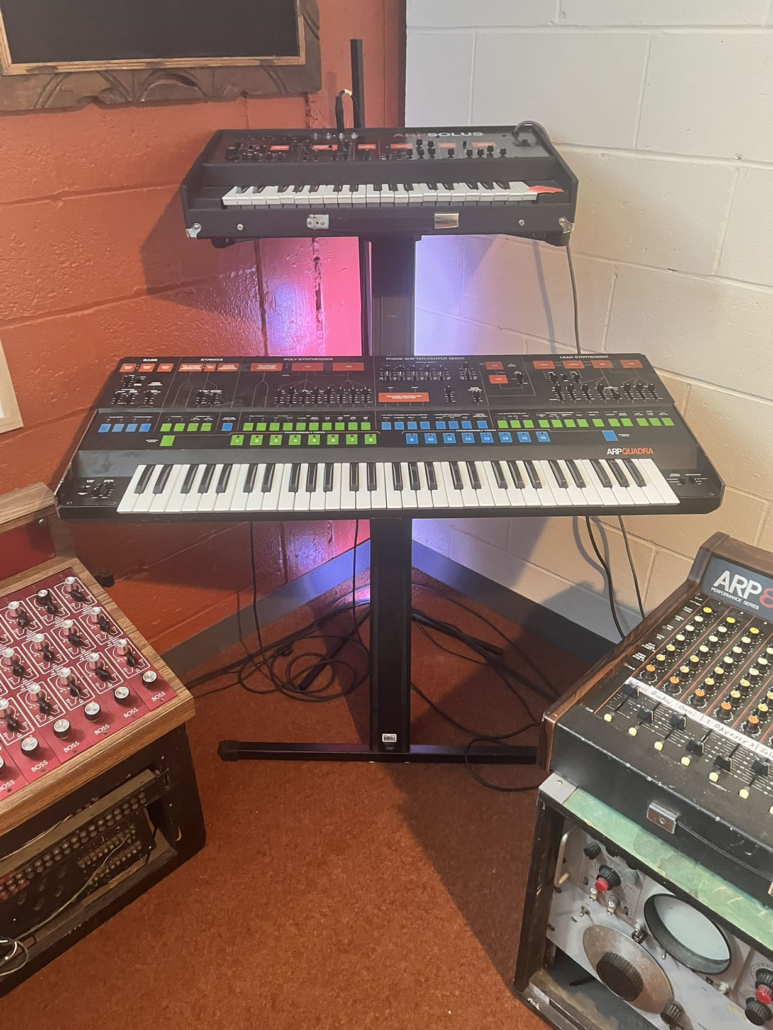
The ARP Solus is another take from ARP on the monosynth, drawing more from the Odyssey, but differing in a few key ways. It is more compact by design, coming with a carry case for the gigging musician, and as such has more of a focus on bass and lead sound design. Enthusiasts of the Solus praise it for its unique filter in comparison to its predecessors and its portability.
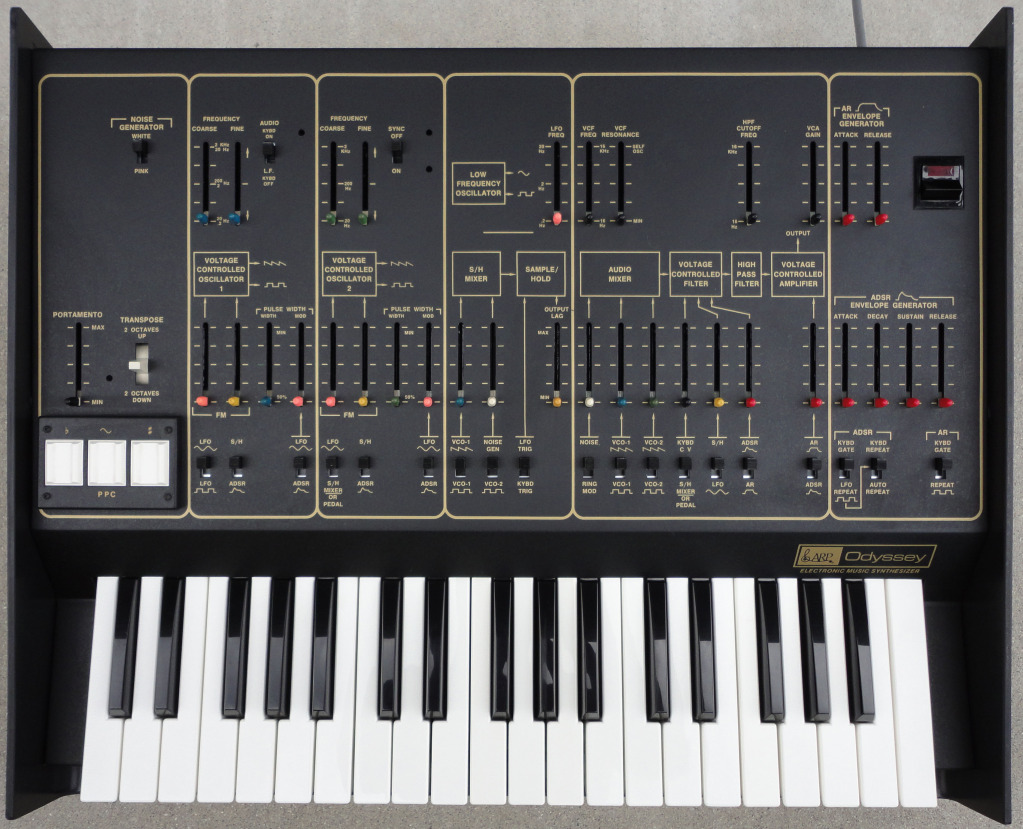
The ARP Odyssey was ARP’s successor to the 2600, in an attempt to create something more accessible to the average musician. Having one less oscillator than the 2600, the Odyssey was entirely pre-patched, requiring no patch cables and not even having inputs for them as an option. Instead, every slider can have its output changed with the flick of a switch, an immediacy that made for a more straightforward instrument. The inclusion of pulse waves and a ring modulator were both uncommon at the time, which gave the Odyssey a reputation of having a full and meaty range of sounds, giving beginner synth musicians a broad range of sound with which they could sculpt efficiently.
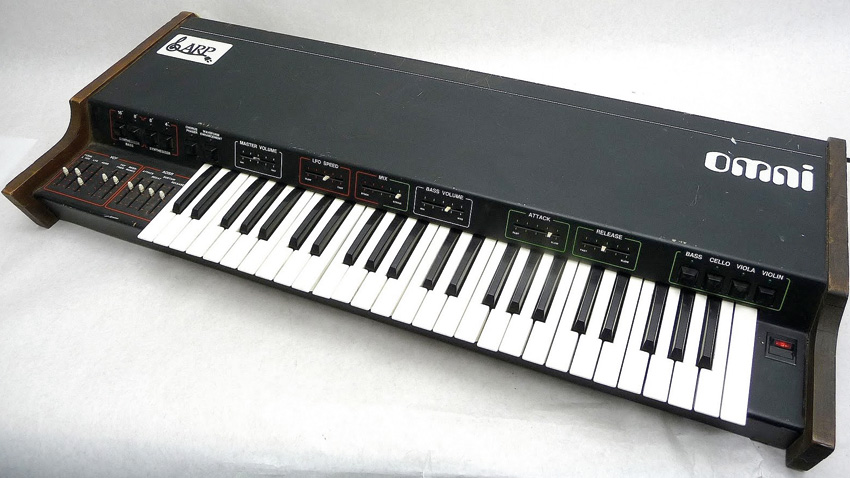
The ARP Omni was popular in its time, being one of the earliest polyphonic synthesizers, a capability that made it attractive to many gigging and recording artists. While it is more of a performance keyboard as the possibilities for synthesis are limited, each voice is able to be toggled at the push of a button so that the player can quickly bring in a section and switch it out or include it with another.
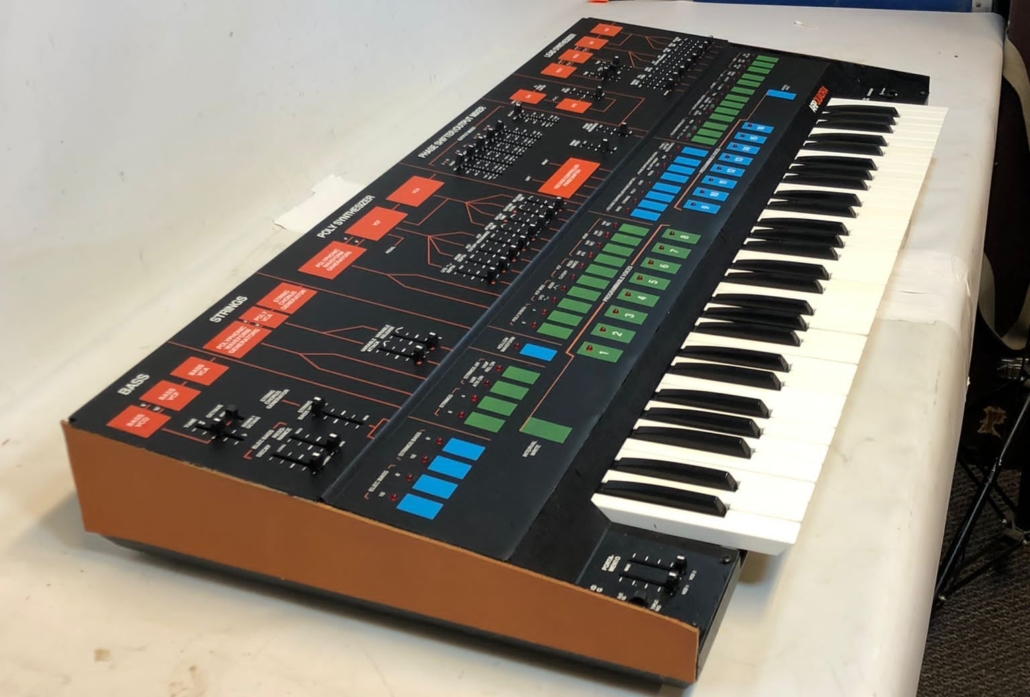
The ARP Quadra can be considered an expansion on the Omni. It has a similar 4-voice layout but with less of a focus on recreating acoustic sounds. While those sounds are still possible, there’s more of a focus on ARP’s trademark style of synthesis. While not as persistent of an instrument as the Omni due to its higher price point and point of entry, the Quadra’s extensive possibilities have cemented it as one of ARP’s most versatile offerings.
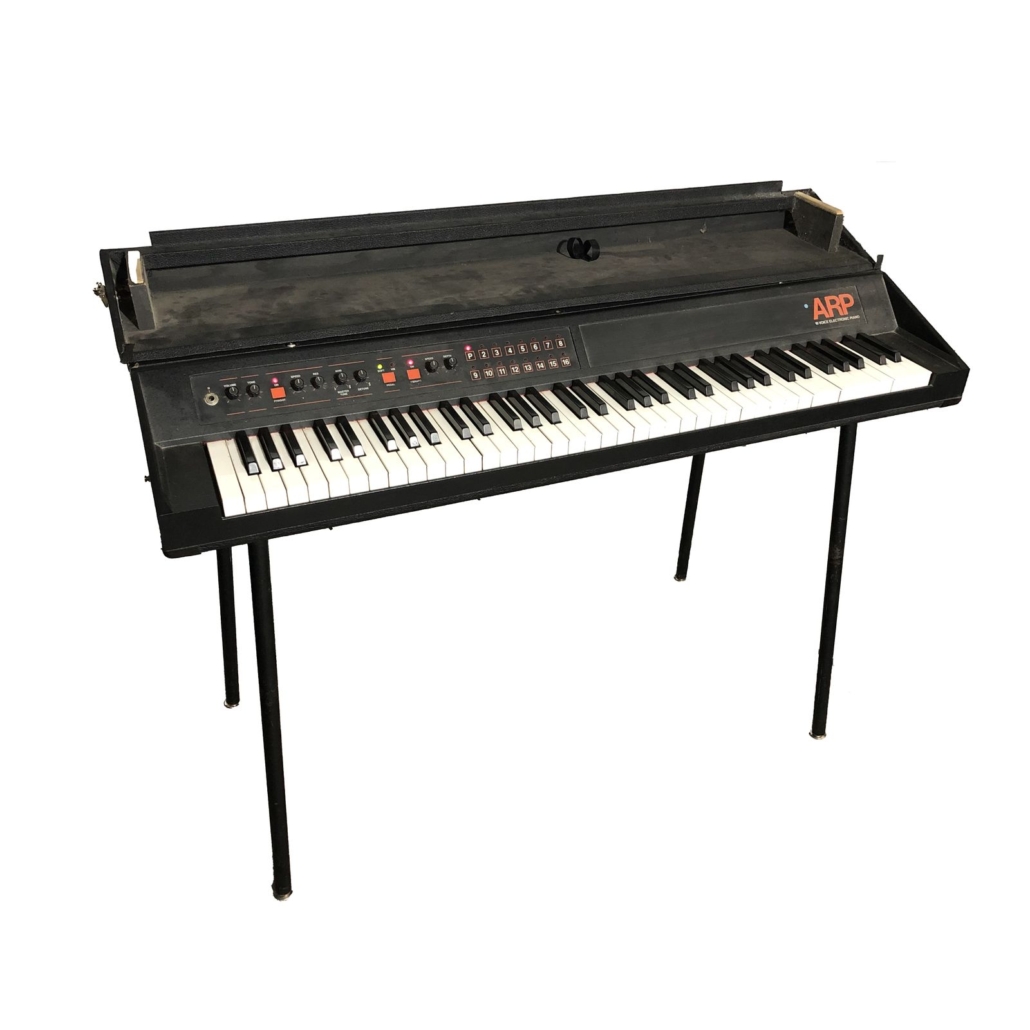
The 16-Voice Piano is meant for performance, offering easy access to a warm electric piano tone with controls directly in front of the keys, allowing the performer to change timbral qualities on the fly. Its weighted action gives the 16-voice a heft that would be more familiar to players accustomed to acoustic pianos. While it may not have had as wide of a circulation as some of ARP’s other instruments, its design and circuitry laid the foundation for the Rhodes Chroma, which then went on to influence synthesizers like the Yamaha DX7
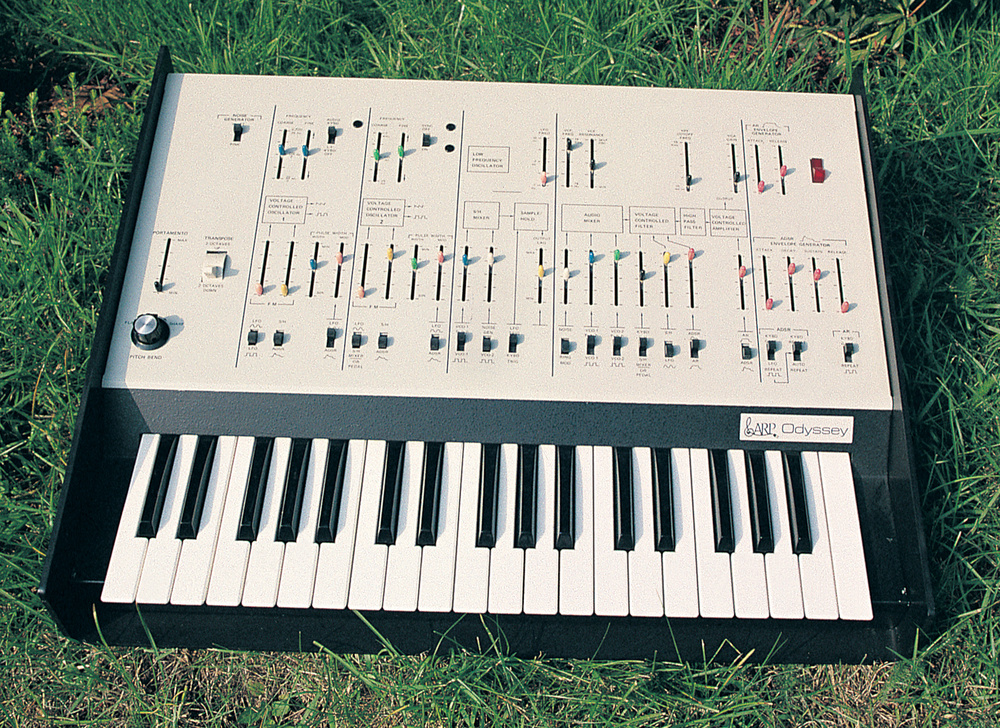
The first iteration of the Odyssey lacks many of the additions that make it more compatible with a contemporary studio, but its unique circuitry gives it a punchier sound. Its filter is also notable in this regard, having a shorter range than its successor, which results in a thinner filter that works better at higher frequencies.
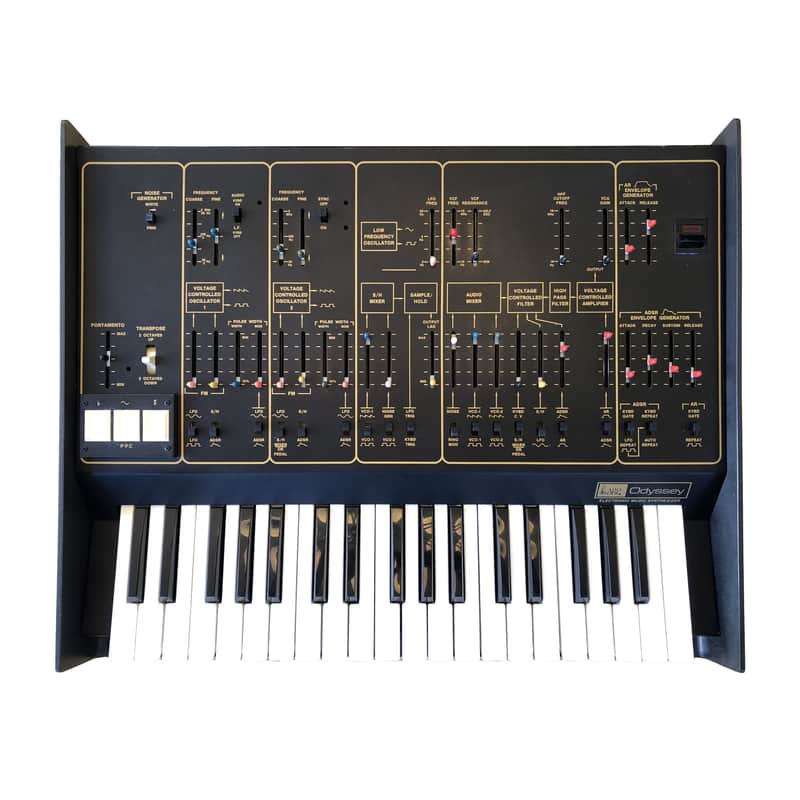
The Mk II has a new filter which gives it a more balanced, slightly less resonant sound, and CV/Gate inputs and outputs, which allow it to integrate with other synthesizers. This in addition to its easier-to-maintain sliders make it stand out from the Mk I.
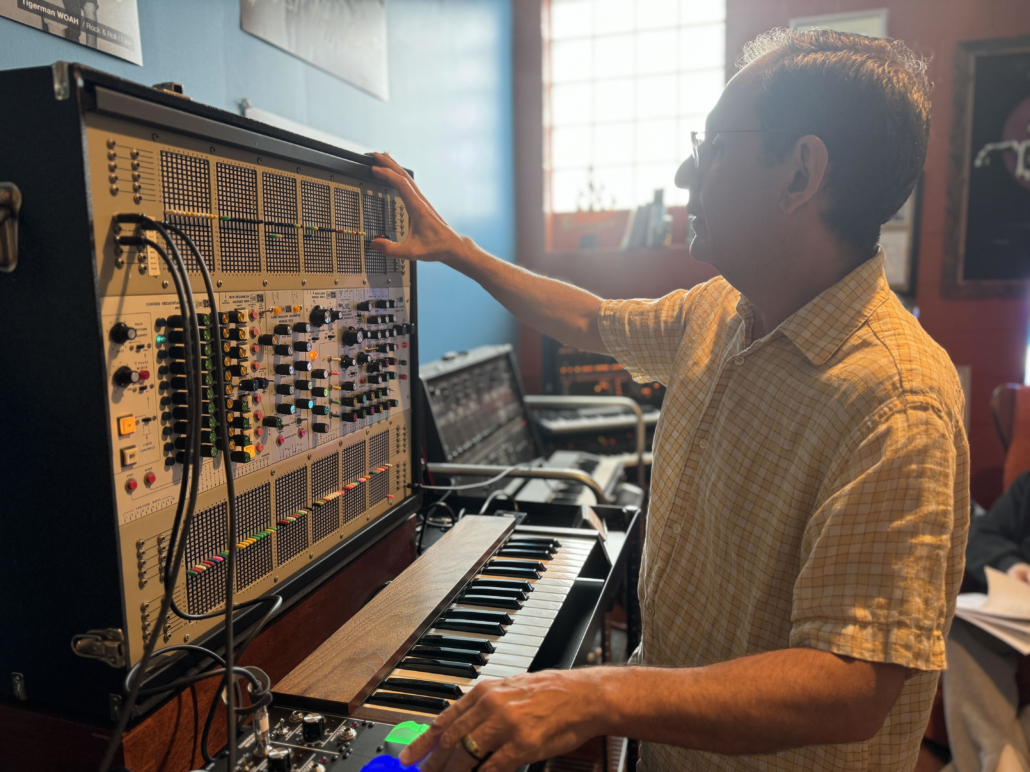
Pete Townshend (Who’s Next, Tommy and Quadrophenia), Edgar Winter (Frankenstein); David Henschel on Elton John’s Goodbye Yellow Brick Road, David Bowie’s Berlin Trilogy and Deep Purple (Space Truckin’), jazz and jazz fusion greats (Herbie Hancock (Chameleon), Joe Zawinul of Weather Report and Les McCann. Other notables include Stevie Wonder (Talking Book and Songs in the Key of Life); Tony Banks (Genesis); Ohio Players, Funkadelic, Trent Reznor (NIN); Depeche Mode, Kraftwerk and more. The infamous sound of the alien communication sequence (Close Encounters of the Third Kind); the Dr. Who sound and Ben Burtt’s sound of R2D2 were all made with ARP Synthesizers!